Draft survey for bulk and breakbulk cargo
A draft survey determines the weight of cargo loaded or discharged by measuring the vessel’s displacement before and after the operation. It is widely used for coal, iron ore, grains, fertilisers and other bulk commodities where shore scales are unavailable or commercial parties require an independent figure.
YMR Marine surveyors apply recognised draft survey methods, including density of dock water, trim and list corrections, and consumable adjustments, to produce a defensible weight result.
Initial and final surveys can be combined with bunker ROB readings when charter or sales contracts require both.
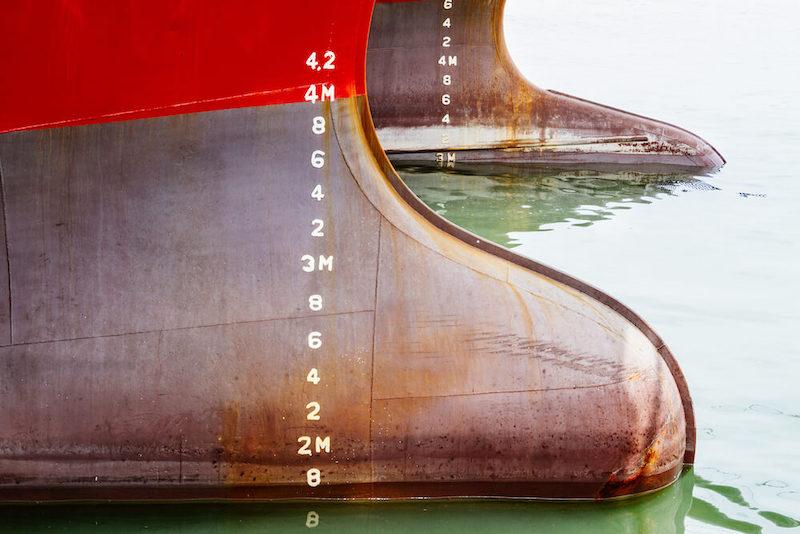
Forward, aft and midship draft readings with trim and list accounted for correctly.
Measured density applied so displacement reflects actual water conditions.
Net cargo weight after deducting ballast, bunkers and other variables as applicable.
Full calculation sheet and summary suitable for shippers, receivers and traders.